The Importance of Professional Water Damage Restoration: Protect Your Investment
Water damage presents serious threats that can compromise the value and safety of a property. A property's structural stability can be jeopardized, and mold proliferation can create dangerous health concerns. Skilled restoration professionals serve a vital function in resolving these problems with precision. These professionals utilize advanced methods and tools to protect the building and those who inhabit it. Understanding the nuances of this process is imperative for every homeowner and property manager. What steps should one take to guarantee proper restoration?
The Hazards of Overlooking Water Damage
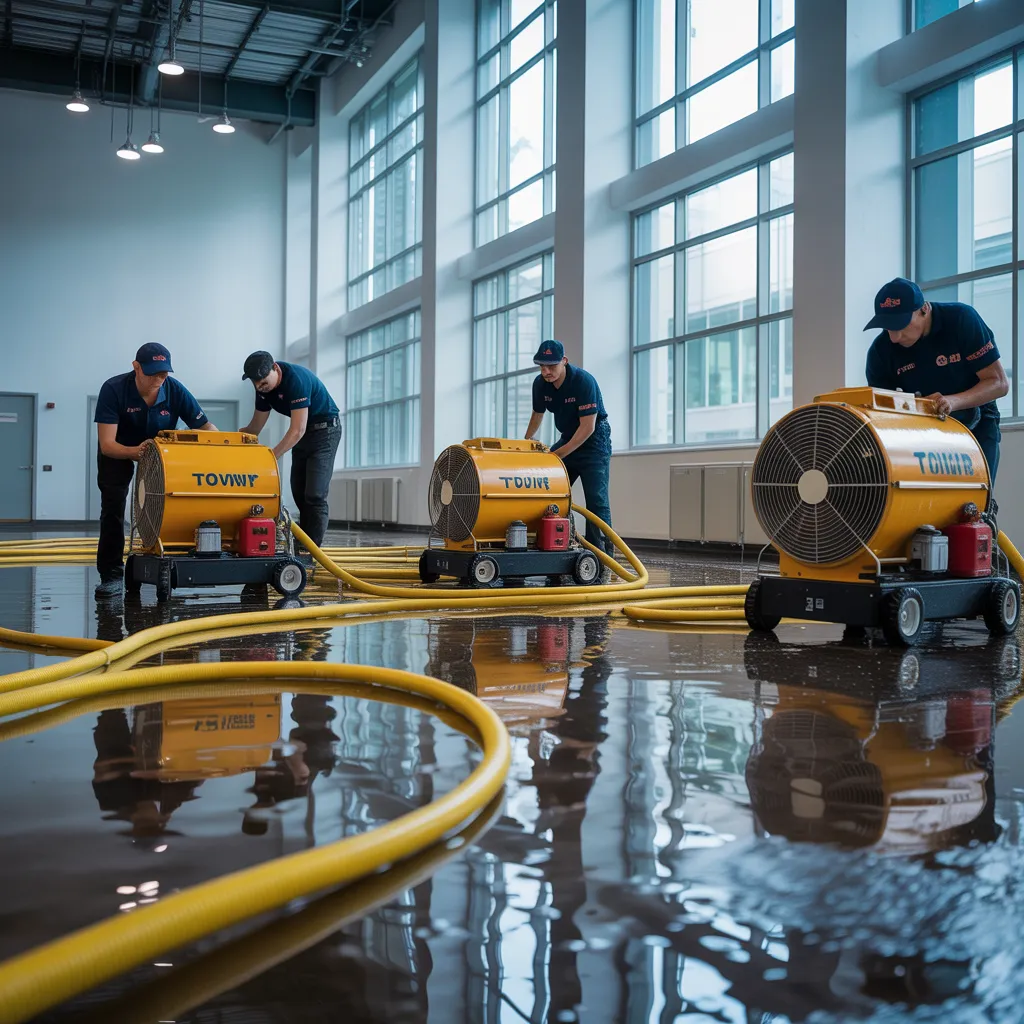
Disregarding water damage can cause significant problems, as the situation frequently deteriorates over time. Unaddressed leaks or dampness can cause structural damage, compromising the integrity of walls, ceilings, and foundations. Mold development poses another serious concern; it flourishes in moist conditions and can present severe health risks, encompassing respiratory complications and allergic symptoms. Additionally, water damage can diminish property value, making it less attractive to potential buyers or renters. The longer the damage remains unaddressed, the more costly the repairs become, resulting in possible financial burden for property owners. Electrical dangers can also emerge, increasing the risk of fires from short circuits. Ultimately, neglecting water damage not only jeopardizes the physical structure but also endangers the health of its occupants and the financial investment made in the property. Recognizing these risks is essential for prompt action and effective management of water-related issues.
The Importance of Water Damage Restoration for Property Protection
Water damage restoration serves a critical purpose in safeguarding properties from further deterioration. When a building is affected by water intrusion, it can lead to structural issues, mold growth, and a decline in property value. Timely restoration helps mitigate these risks by extracting surplus moisture and handling any damage without delay.
Failure to act can result in extensive repairs and increased costs. Moreover, the presence of water can negatively affect electrical components and pose health risks to those within the property. Skilled restoration specialists utilize advanced tools and methods to guarantee complete drying and sanitization, which are vital for keeping the space safe and habitable.
Additionally, effective restoration can preserve the integrity of the property, securing the financial investment of the owner. By making water damage restoration a top priority, homeowners not only improve the durability of their buildings but also promote the general safety and well-being of their homes.
How Professionals Diagnose and Tackle Water Damage
Once recognizing the value of swift water damage remediation, comprehending how trained professionals assess and tackle the situation proves vital. At the outset, experienced technicians conduct a thorough inspection to gauge the full extent of the damage. They utilize thermal imaging and moisture meters to identify concealed water pockets within walls and floors, ensuring no area is overlooked.
After the evaluation is finished, experts identify the water damage by its type: clean water, gray water, or black water. This classification informs the appropriate remediation methods. Subsequently, they create a tailored restoration plan, detailing the process of water extraction, drying, and disinfecting impacted spaces.
Throughout the process, specialists emphasize safety at every stage, utilizing proper safety gear and ensuring proper ventilation. By utilizing advanced techniques and adhering to industry standards, they successfully prevent additional damage and mold proliferation, preserving the safety of the property and its inhabitants. Consequently, a methodical approach is critical for thorough water damage restoration.
Why Advanced Equipment Matters in Restoration
Utilizing advanced machinery is essential in the restoration of water damage process, as it improves the efficiency and effectiveness of mitigation efforts. High-powered extraction units and dehumidifiers support quick water removal and dehumidification, minimizing the chance of further damage. Thermal imaging cameras enable technicians to locate hidden water damage, delivering a detailed evaluation and treatment. These instruments also support careful measurement of humidity and temperature, necessary for perfect restoration conditions.
Furthermore, specialized cleaning agents and antimicrobial treatments, delivered through advanced applicators, secure complete sanitation of affected areas. The use of such equipment not only hastens the remediation schedule but also reduces the risk of structural deterioration and health risks. Investing in state-of-the-art technology allows experienced specialists to produce outstanding results, safeguarding properties and ultimately protecting the owner's investment. As a result, sophisticated tools are essential in delivering effective water damage recovery and restoration results.
How Prompt Action Prevents Mold Growth
Taking prompt steps following water damage is critical in preventing mold growth, a common consequence of sustained moisture presence. Once water enters a building, it generates an environment ripe for mold spores, which can begin to proliferate within 24 to 48 hours. The quickness at which the water is extracted and the space is dried heavily affects the risk of mold growth.
Skilled restoration professionals leverage cutting-edge equipment and strategies to accelerate this procedure, making certain that moisture is eliminated rapidly. This quick response not only reduces the health hazards linked to mold growth but also protects the integrity of the property. Postponing action enables mold to establish itself, resulting in significant damage and expensive remediation measures. By prioritizing timely intervention, homeowners can protect their assets and preserve a healthy living space.
Important Tips for Picking a Restoration Company
What steps can property owners take to select the best restoration company? First, they should research potential companies thoroughly. Looking for certifications, particularly those from the Institute of Inspection, Cleaning and Restoration Certification (IICRC), confirms professional qualifications. Examining online reviews and client testimonials can shed light on the company's trustworthiness and standard of service.
Moreover, property owners should seek detailed bids from various service providers. This enables comparison of timelines, services, and costs, ensuring transparency. Moreover, one must verify that the contractor has sufficient insurance, protecting both the property owner and the workers involved.
Furthermore, evaluating the firm's turnaround time is vital; rapid response can minimize additional damage. As a final point, a trustworthy company should provide a comprehensive service warranty on their work, reflecting trust in their workmanship. By adhering to these recommendations, property managers can make informed choices and secure their assets efficiently.
Preserving Your Items With Professional Support
After selecting a qualified restoration firm, property owners face the considerable task of protecting their possessions from water damage. Professionals in water damage restoration utilize advanced methods and tools to rapidly evaluate the scope of damage. They use specialized moisture removal equipment to remove excess moisture, preventing further harm to personal possessions.
Restoration professionals are well-versed in the diverse materials of different belongings, from clothing to electrical equipment, and apply tailored methods for each category. As an illustration, vital documents may be processed through freeze-drying, while household furniture may be subjected to deep cleaning or refinishing.
Furthermore, professionals can detect underlying dampness that could cause the growth of mold, ensuring thorough protection for precious belongings. By trusting experienced restorers, building owners can improve the chances of salvaging irreplaceable items, safeguarding not only their financial value but also their sentimental value. Ultimately, expert assistance is essential for minimizing losses and returning peace of mind.
Questions We Get Asked Often
What Are the Best Ways to Prevent Water Damage in My Home?
To protect a home from water damage, consistent care of plumbing evaluation systems, proper sealing of windows and doors, placing sump pumps, and timely attention to leaks can markedly reduce the risk of water-related issues.
What Are the Common Indicators of Concealed Water Damage?
Typical indicators of concealed water damage consist of unexplained mold growth, water stains on walls or ceilings, peeling paint, warped flooring, and musty odors. Timely discovery is vital to stopping further structural harm and significant repair costs.
Will My Insurance Plan Cover the Costs of Water Damage Restoration?
Water damage restoration insurance coverage varies depending on the policy. Generally, a standard homeowners insurance policy covers sudden and accidental damage, though coverage exclusions may exist for neglect or slowly developing issues. Carefully reviewing the policy details is important to gain clarity.
What Is the Typical Duration of the Restoration Process?
The restoration process typically takes anywhere from a few days to several weeks, determined by the extent of the water damage, the scope of the impacted area, and how effectively the restoration team responds.
Is It Possible to Stay in My House During Restoration Work?
Living in a home throughout the restoration process is usually not suggested. Dangers including mold, dust, and machinery noise may present serious risks. Residents should explore temporary relocation options to ensure their safety and well-being during the restoration work.